The clatter of cutlery, the murmur of conversation and the occasional bark from the pass: restaurants on a bustling night are a dance of choreographed chaos. At the best ones, somewhere in the swirl is an essential calm and watchful presence who ensures the whole show doesn’t tip into mayhem; that’s the floor manager.
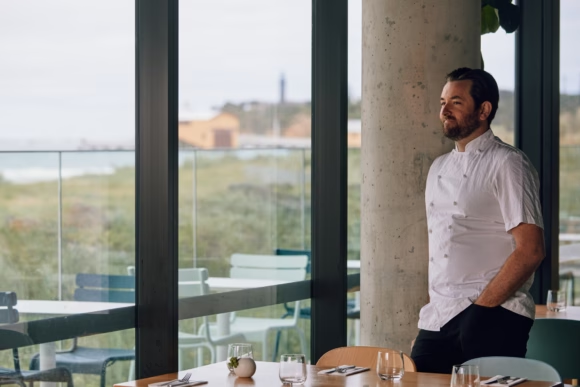
“Hospitality work is meant to be the best years of your life,” says Jaime Badia, owner of the Sunshine Coast’s Toro Bar & Kitchen in Maroochydore. “Especially for young people. Enjoy what you do, be proud, and the rest will follow.”
Badia knows a thing or two about leading from the floor. His career began at 15, scrubbing dishes in a café. By 18, he was managing a bar in his hometown, and at 19 he’d scored a managerial role at one of London’s biggest nightclubs. Today, as owner of his own venue, he wears many hats, “from floor manager to bookkeeper, kitchen hand, social media manager… every bit of the business goes through me at the moment,” he laughs.
The unseen art of control
For many diners, the floor manager is invisible,and that’s how it should be. They notice the food, the décor, maybe even the playlist, but rarely the person orchestrating the entire experience. “I think people don’t understand how much goes behind getting them a drink or a meal,” says Badia. “The prep time, the effort choosing produce, staying positive; it’s not an easy job.”
A great floor manager doesn’t just run a service; they read a room like a script. “First, I read the team and make sure they’re not overwhelmed or struggling. A happy team transfers across to guests,” Badia explains. “Then I look at body language. Pinpoint anyone that may not be happy and try to address them. A well-timed joke or detail can change someone’s day.”
Leadership without the spotlight
Floor managers are rarely the ones getting the applause. If service is exceptional, the chef or owner is usually credited. But as Badia points out, “I think that’s changing. Guests are more inclined to let the management know when staff has done a good job.”
He sees his own strength in building teams that thrive even under pressure. “People management is my biggest flex. I’m good at reading people’s needs and being able to direct them. When you create a happy team, everything else follows.”
His style of leadership is hands-on, collaborative, and, importantly, calm. “If you’re calm and able to read your team, they’ll follow your lead. A leader needs to know who can cope with what and help them achieve their best.”
Badia also resists the notion of dressing the part just to establish authority. “Same as the team,” he says when asked about his wardrobe. “I’ve never been for marking management. If you’re a true leader, you lead from the front.”
Making the chaos look effortless
On a packed night, when the venue’s buzzing, Badia finds a moment of pride amid the madness. “I tend to step back for a second and look at the guests enjoying their time. Loads of pride goes through me when we have a full venue of happy people,” he says.
But it’s not always smooth sailing. “When everything goes wrong, all you can do is ask your crew’s strongest members to start putting out fires in order of urgency,” he admits. He tries not to let it get to that point, and he’s good at what he does.
The trick, he believes, is in the details; those quiet decisions that elevate a guest’s experience without them even noticing. “The correct glassware, the right napkins, your choice of produce, all of those are statement pieces. People don’t always notice them, but they do change their experience.”
The floor manager of the future
Hospitality, like everything else, has changed. “It used to be a much harder environment; management was more aggressive, and staff were more capable of dealing with negativity,” Badia reflects. “Nowadays we’re more aware of people’s personal needs and less of the business’s needs. It’s amazing to see care for your staff becoming a priority.”
Ultimately, the quiet power of the floor manager lies in the ability to create harmony, among staff, guests, and the atmosphere itself. “You don’t need to be perfect,” says Badia. “You just need to read your table and treat them the best way for them. Some people like to be left alone, some love chatting. Just be you and enjoy your time with your guests.”