What does a well-run kitchen look like to you, and what principles guide how you lead it? A well-run kitchen is calm, organised, and predictable. It has rhythm. People aren’t panicking, they’re executing. Prep is disciplined, communication is direct, and there’s mutual respect between stations and between front of house and back of house. The principles I lead with are consistency, accountability, and clarity.
What operational shift or system change has had the biggest positive impact on your kitchen recently? The biggest impact came from tightening our systems around menu engineering, purchasing, and inventory.
Once we had clearer visibility on COGS, waste, and supplier pricing, we could make quicker and more informed decisions. Instead of relying on intuition, we started running the kitchen with both craft and data. That combination has reduced margin pressure without compromising quality.
How do you approach training and mentoring, especially when developing future leaders in your team? Training isn’t just showing someone how to do a task, it’s showing them why the standard exists. Future leaders need context, not just instructions. I involve them in discussions around menu development, waste, guest experience, and service pacing so they can think like managers rather than just operators. I also believe in giving responsibility gradually. Leadership is built through repetition and exposure, not overnight titles.
What’s your experience with kitchen tech or automation, what’s actually helped and what’s just hype? Tech that removes friction or improves visibility is genuinely useful. Inventory platforms, recipe costing tools, supplier ordering systems, and reservation systems tied to service pacing all have real operational impact. Tech that claims it can replace skilled labour entirely is mostly hype. Kitchens are still deeply human workplaces. Tools should enhance decision-making and consistency, not pretend craft is replaceable.
How do you manage rising food costs and supply challenges while maintaining quality and creativity? We manage it through tighter menu engineering and seasonal purchasing. Instead of trying to make every dish immune to price fluctuations, we design menus that can adapt to the market. We also encourage creativity within constraints. Substitutions, local producers, secondary cuts, and smart use of trims can protect margins without lowering the guest experience.
What’s your approach to keeping calm, consistent service during peak periods?
We drill service expectations, keep boards clean, call clear tickets, and avoid surprises. Calm leadership matters. Tone travels fast in the kitchen. If leaders panic, everyone panics. If leaders stay composed and decisive, the team follows.
How do you create alignment and collaboration between front and back of house?
Alignment comes from shared understanding. Back of house needs to understand the guest experience and pacing pressures. Front of house needs to understand what the kitchen is doing and why timing matters.
We run pre-service briefings, encourage tastings for FOH, and keep communication open on the pass. When FOH and BOH stop operating as silos, the guest experience becomes cohesive rather than transactional.
What are the biggest leadership challenges you’re facing right now, and how are you tackling them? Talent development and retention remain the biggest challenges in a high-pressure industry. People want growth, balance, and recognition. We’re addressing this through clearer career pathways, stronger onboarding, cross-training opportunities, and more transparent communication around expectations and promotions. Hiring well isn’t enough. You have to create an environment people want to stay in.
What role do you play in shaping the long-term vision of your venue or hospitality group? I work closely with chefs and managers to align operations with the broader vision, financially, operationally, and culturally. The long-term goal is sustainability: a restaurant guests love, a product we’re proud of, and a business model that’s commercially viable.
What separates a strong cook from someone ready to lead, and how do you help your team make that leap? A strong cook executes well. A leader anticipates, communicates, and thinks beyond their station. Leaders see the whole picture: pacing, waste, staffing, quality, costs, and guest experience. To help people make that transition, we give them context, responsibility, and feedback loops. We expose them to ordering, costing, training, and service management so leadership becomes a skill they actively practise, not just a title they’re given.
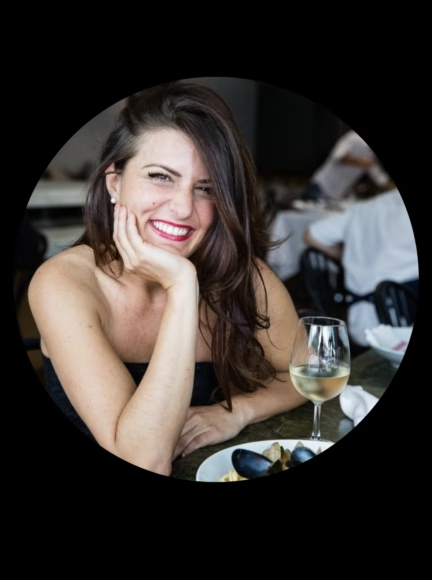
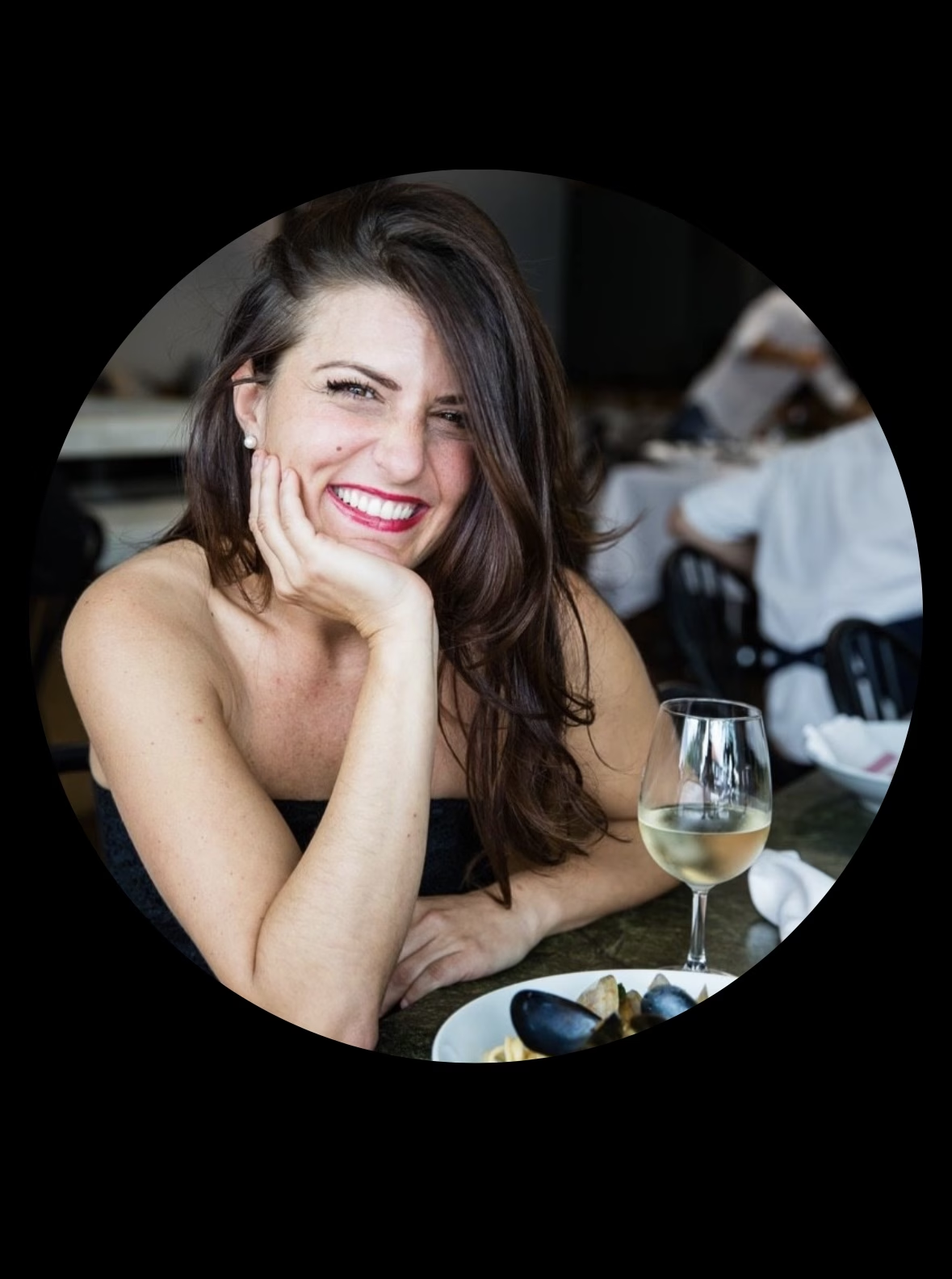
Sara Paganelli is an Italian-born hospitality venue manager based in Sydney, best known for shaping The Botanica Vaucluse into one of the city’s most distinctive dining and event destinations. Blending European sensibility with Australian seasonality, she has built a venue celebrated for its elegant garden setting, refined gluten-free dining, and seamless guest experiences spanning weddings, corporate events, and milestone celebrations.
Under her leadership, The Botanica Vaucluse has evolved into a preferred venue for discerning clientele, event stylists, luxury brands, and families seeking intimate weddings, baby showers, bridal events, and boutique celebrations. Sara’s ability to translate client visions into well-executed experiences has made the venue a trusted partner for both private and professional events.
At her core, Sara believes hospitality is both an art and a service: a way of welcoming, elevating, and celebrating people. Her work continues to shape how guests dine, gather, celebrate, and remember.